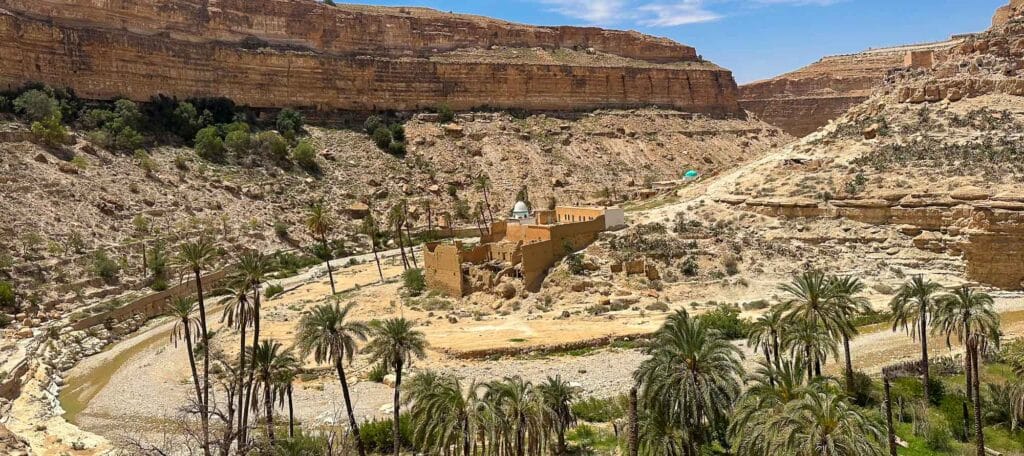
Essential Gear for Filming in Algeria: A Film Fixer’s Tale
Filming in Algeria is an adventure that takes you across diverse landscapes and climates. As a seasoned film fixer with years of experience, I’ve learned that being prepared with the right gear is crucial. Whether you’re navigating the bustling streets of Algiers, the snow-capped Atlas Mountains, or the scorching Sahara Desert, here’s my advice on what to pack for every season and location, based on the lessons we’ve learned along the way.
Urban Algiers: Balancing Style and Practicality
Our journey often begins in Algiers, the vibrant capital with a Mediterranean climate. Filming here is a unique experience, combining historical architecture with bustling urban life. On a spring morning, as our crew prepared to capture the city’s essence, I advised them to dress in light, breathable fabrics. Short-sleeve shirts kept us cool during the day, while long-sleeve options were perfect for cooler evenings.
Navigating Algiers’ narrow streets and busy markets, comfortable walking shoes were a must. One day, a sudden shower caught us off guard, but our lightweight jackets provided just the right amount of protection. Sunglasses and wide-brimmed hats shielded us from the Mediterranean sun, adding a touch of flair while keeping us comfortable.
Coastal Roads and Urban Hustle
Next, we ventured west to Oran, a coastal gem with its own unique charm. The coastal breeze required a different wardrobe strategy. During summer shoots, we wore lightweight pants and short-sleeve shirts to stay cool. As the sea breeze picked up in the evening, a light jacket was our go-to.
Urban challenges like last-minute road closures forced us to reroute our convoy. Despite the unexpected detour, our team’s adaptability shone through. Smaller vehicles helped us navigate Oran’s narrow alleys, while local guides ensured we avoided the worst traffic.
The Mountainous North: Battling Winter’s Chill
Filming in northern Algeria’s Atlas Mountains is an experience like no other. In the winter months, these mountains are blanketed with snow, creating stunning but challenging conditions. One shoot in the Kabylie region stands out, where we faced icy roads and heavy snowfall.
Our convoy of four-wheel-drive vehicles, equipped with snow chains, was essential for navigating the icy roads. Layered clothing was crucial: moisture-wicking base layers topped with warm sweaters and insulated jackets kept us warm. Sturdy hiking boots with good grip were a must as we trekked through the snow to get the perfect shot. One morning, as the sun rose over the snowy peaks, we captured a breathtaking scene—our breath visible in the crisp air, a moment made possible by our careful preparation.
Desert Expeditions: Conquering the Sahara
The vast Sahara Desert presents its own set of challenges with extreme temperatures and vast distances. In Tamanrasset, the scorching daytime heat gave way to chilly nights. Our team dressed in lightweight, long-sleeve shirts and loose-fitting pants during the day to protect against the sun and sand. Wide-brimmed hats and sunglasses were essential, along with scarves that doubled as protection against the sun and unexpected sandstorms.
One memorable day, a sandstorm swept through our camp. We hunkered down, using our scarves and goggles to shield our faces. When the storm passed, we resumed filming, grateful for the cooler evening temperatures that allowed us to continue our work comfortably.
Clothing: Dressing for the Sahara Desert
For the Gentlemen: Gear Up for the Ultimate Sahara Experience
Loose-Fitting Pants or Trousers: In the desert, practicality trumps style. Opt for breathable fabrics like a cotton-synthetic blend that provide both comfort and quick-drying capabilities. Consider zip-off pants that can convert into shorts for added versatility.
Long-Sleeve, Loose-Fitting Tops: Protecting yourself from the relentless desert sun is crucial. Choose breathable, loose-fitting tops that offer sun protection, ideally with a UPF (Ultraviolet Protection Factor) rating for added defense.
Supportive Briefs: When you’re spending long hours sitting or on the move, comfort is key. Briefs provide better support and are more comfortable, particularly during activities like camel riding.
Wide-Brimmed Hat: A hat with a wide brim is essential for shielding yourself from the sun and preventing heatstroke. For extra coverage, look for hats that come with a neck flap.
Polarized Sunglasses: The intense glare of the desert sun requires strong protection. Polarized sunglasses will reduce glare and safeguard your eyes.
Scarf or Bandana: A lightweight scarf or bandana is a multifunctional accessory—use it to shield your face from sandstorms or soak it in water and wrap it around your neck to stay cool.
Sturdy Footwear: The Sahara’s rugged terrain demands durable footwear. Choose closed-toe hiking boots or shoes with good tread. Make sure they’re well broken-in to avoid blisters.
For the Ladies: Dress Smart for the Sahara’s Challenges and Beauty
Loose-Fitting Pants or Trousers: Leave the skinny jeans at home. Instead, choose breathable, moisture-wicking pants with plenty of pockets for practicality.
Long-Sleeve, Loose-Fitting Tops: Layering is essential in the desert. Select tops made from breathable fabrics that can be easily layered to adapt to temperature changes. Tops with a UPF rating are an excellent choice for extra sun protection.
Comfortable Briefs: Moisture-wicking briefs are the way to go, providing comfort and preventing chafing during long walks or camel rides.
Wide-Brimmed Hat or Versatile Scarf: Whether you choose a wide-brimmed hat for sun protection or a stylish scarf that can double as a face cover or makeshift mat, the choice is yours—just make sure it’s practical.
Polarized Sunglasses: The desert sun doesn’t play favorites—polarized lenses are essential for cutting down glare and protecting your vision.
Lightweight Scarf: A light scarf is a versatile tool in the desert. Use it for sun protection, as a face cover during sandstorms, or as a mat to sit on during breaks.
Comfortable Footwear: Whether you opt for closed-toe sandals or light hiking boots, make sure your footwear is comfortable, well-fitted, and broken in before you arrive to avoid any unpleasant surprises.
This reimagined guide will keep you well-prepared and comfortable while navigating the unique challenges of the Sahara Desert during your film shoot.
Essential Filming Gear
Regardless of the location or season, certain gear is essential for any filming project in Algeria. Here’s what I always advise to have on hand:
- Camera Protection: Dust and waterproof covers for cameras and lenses, especially for desert and coastal shoots.
- Lighting Equipment: Portable LED lights and reflectors to manage light in varying conditions.
- Power Supplies: Extra batteries and portable chargers, as access to power sources can be limited in remote areas.
- Storage Solutions: Plenty of memory cards and external hard drives for backing up footage.
- First Aid Kit: A basic first aid kit tailored for minor injuries, sunburn, and dehydration.
| Region | Spring (°C) | Summer (°C) | Autumn (°C) | Winter (°C) | Extreme Notes |
|---|---|---|---|---|---|
| Algiers | 15 | 25 | 18 | 12 | Moderate climate, mild winters, hot summers |
| Oran | 18 | 28 | 20 | 14 | Mild coastal climate, hot summers |
| Tamanrasset | 27 | 35 | 30 | 21 | Extreme desert climate, very hot summers |
| Kabylie Mountains | 14 | 22 | 16 | 5 | Cold winters with snow, mild summers |
| Annaba | 17 | 26 | 19 | 11 | Moderate coastal climate, hot summers |
| Tlemcen | 17 | 28 | 19 | 10 | Mild winters, hot summers |
| Ghardaia | 24 | 37 | 28 | 15 | Extreme desert climate, very hot summers |
| Constantine | 16 | 27 | 18 | 9 | Cold winters, hot summers |
| Hoggar Mountains | 23 | 30 | 25 | 10 | Extreme conditions, cold winters, hot summers |
| Bechar | 22 | 40 | 28 | 10 | Very hot summers, mild winters |
| Biskra | 23 | 38 | 28 | 12 | Very hot summers, mild winters |
| Djelfa | 15 | 32 | 21 | 5 | Cold winters with snow, hot summers |
| El Oued | 24 | 40 | 27 | 11 | Extreme desert climate, very hot summers |
| Medea | 12 | 28 | 18 | 7 | Cold winters, mild summers |
| Setif | 16 | 30 | 20 | 5 | Cold winters with snow, mild summers |
Embracing Traditional Algerian Clothing
While our team primarily wore modern attire, respecting local customs was important. Lightweight cotton garments helped keep us cool in the desert, and local guides often wore traditional attire, providing cultural context and enhancing our filming experience.
Final Thoughts
Dressing appropriately for filming in Algeria is about more than just comfort—it’s about respecting the local culture and adapting to the diverse climates and terrains. From the snowy peaks of Kabylie to the sun-drenched dunes of the Sahara, each region requires thoughtful preparation and the right gear.
Our stories of navigating Algeria’s varied landscapes are a testament to the importance of dressing for the environment. With the right clothing and gear, we’ve been able to focus on capturing the stunning beauty and rich culture of Algeria, making each filming experience both successful and unforgettable. Whether you’re trekking through snowy mountains, bustling city streets, or the vast desert, the right attire will ensure you’re ready for any adventure.
Welcome to the adventure, and happy filming!